
Introduction
The United States has long been one of the world’s most desirable travel destinations, attracting millions of international visitors each year for tourism, business, education, and luxury experiences. However, a recent policy shift is sparking concern across the global travel industry. According to a new Reuters report, US social media requirements for foreign visitors could have a significant “chilling effect” on international travel.
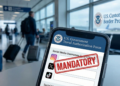
The policy, which requires certain foreign visitors to disclose their social media handles when applying for visas or travel authorisation, has raised red flags among privacy advocates, tourism experts, and international travellers. While US officials argue the move strengthens national security, critics warn it may discourage travel, complicate diplomatic relations, and undermine the country’s appeal as an open destination.
In this article for Luxe Chronicle, we explore what this policy entails, why it matters, and how it could impact global travel, luxury tourism, and the wider perception of the United States.
What Are the US Social Media Requirements for Foreign Visitors?
Under the policy outlined by US authorities:
-
Foreign visitors applying for certain visas must disclose social media identifiers used in the past five years
-
Platforms may include Facebook, Instagram, X (formerly Twitter), TikTok, LinkedIn, and others
-
Information is reviewed as part of background and security screening
-
The rule applies to many non-immigrant visa categories, including tourists, students, and business travellers
According to Reuters, critics argue that the policy extends surveillance into personal digital spaces, potentially affecting free expression and privacy rights (Reuters).
Why the Policy Is Triggering a Chilling Effect
Privacy and Free Speech Concerns
Privacy advocates warn that requiring social media disclosure may:
-
Discourage travellers from expressing opinions online
-
Create fear of misinterpretation of posts or associations
-
Lead to self-censorship before travel
As Reuters notes, civil liberties groups argue that travellers may avoid visiting the US altogether rather than risk scrutiny of their online presence.
Unclear Standards and Interpretation Risks
Another key concern is how social media content is evaluated:
-
Posts can be taken out of cultural or contextual meaning
-
Satire, humour, or political commentary may be misunderstood
-
Travellers may not know what content could raise red flags
This uncertainty increases anxiety, especially for visitors from regions with different cultural or political norms.
Potential Impact on Global Travel and Tourism
Declining International Visitor Confidence
Travel industry experts warn that US social media requirements for foreign visitors could reduce inbound travel by:
-
Leisure tourists seeking hassle-free travel
-
High-net-worth individuals prioritising privacy
-
Students and academics wary of surveillance
-
Business travellers who value discretion
According to industry analysts cited by Reuters, even a small decline in visitor confidence could translate into billions in lost tourism revenue.
Ripple Effects on Luxury Travel and Hospitality
For the luxury sector, the consequences could be particularly significant:
-
Luxury travellers often expect privacy, exclusivity, and discretion
-
Destinations like Europe, the Middle East, and Asia may become more attractive alternatives
-
High-end hotels, luxury retail, and premium experiences in the US could feel the impact
You can explore related insights in our Luxe Chronicle coverage on evolving luxury travel preferences and global destination shifts.
International Perception and Diplomatic Sensitivity
Comparisons With Other Destinations
Many competing destinations do not require social media disclosure for entry, including:
-
European Union Schengen countries
-
Japan
-
United Arab Emirates
-
Singapore
This creates a competitive disadvantage for the US, especially in a post-pandemic travel environment where ease of entry is a major decision factor.
Strained Soft Power and Cultural Exchange
Experts warn that such policies may weaken:
-
Cultural exchange and people-to-people diplomacy
-
Academic collaboration and student mobility
-
Creative, fashion, and luxury industry cross-border engagement
As reported by Reuters, travel associations fear the US risks being perceived as less welcoming.
Arguments in Favor of the Policy
Supporters of the policy argue:
-
Social media screening enhances national security
-
It helps identify potential threats before entry
-
Digital footprints are already publicly available
-
Similar vetting exists in other security processes
However, critics counter that security gains may be marginal compared to the broader economic and reputational costs.
What This Means for the Future of Travel to the US
If left unchanged, the policy could reshape how international visitors approach US travel:
-
Increased preference for alternative luxury destinations
-
Greater demand for concierge-led visa assistance
-
Rise in digital privacy tools among travellers
-
Shift in global tourism flows
For a deeper analysis of how regulation affects global mobility, see our internal Luxe Chronicle articles on travel policy, luxury tourism trends, and destination competitiveness.
Conclusion
The introduction of US social media requirements for foreign visitors represents a pivotal moment in global travel policy. While framed as a security measure, its broader implications touch on privacy, freedom of expression, tourism economics, and international perception.
As global travellers increasingly prioritise ease, transparency, and respect for personal boundaries, policies that introduce uncertainty may have unintended consequences. Whether the US adjusts or clarifies its approach could determine how welcoming the country appears in an increasingly competitive global travel landscape.