


Introduction
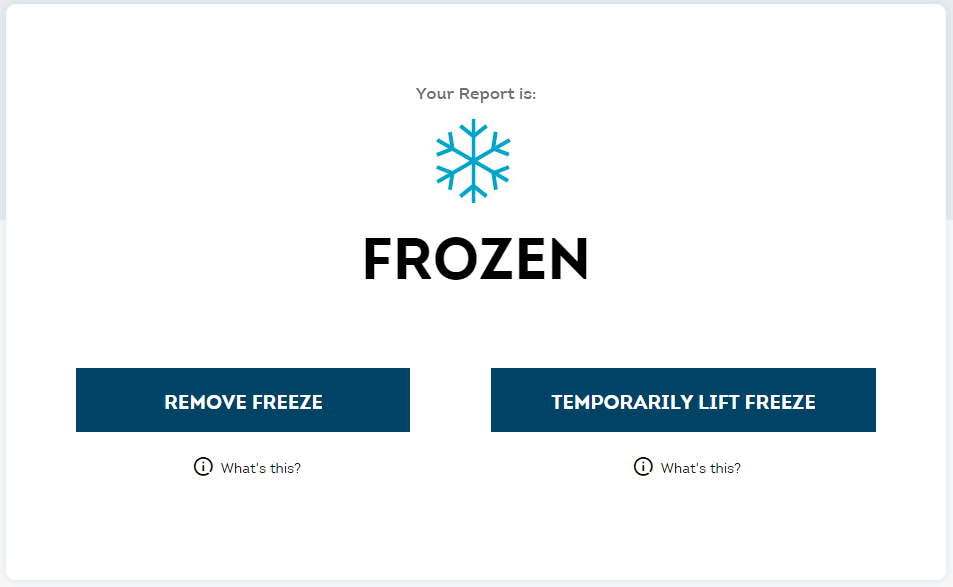
For millions of Americans, freezing a credit report is seen as one of the strongest defenses against identity theft and financial fraud. But a recent investigation has raised troubling questions about how secure that protection really is. A TransUnion credit report vulnerability, highlighted in a report by The Washington Post, suggests that flaws in the system could allow unauthorized access even when a credit freeze is in place.
The revelation has sparked concern among consumers, cybersecurity experts, and policymakers alike. Credit freezes are widely recommended after data breaches, yet this case shows that even precautionary measures may not be foolproof. This article for Epsy Magazine explains what the TransUnion credit report vulnerability is, why it matters, and what consumers can do to better protect their financial identities.
Source:
The Washington Post
https://www.washingtonpost.com/technology/2025/12/12/transunion-credit-report-vulnerability-credit-freeze/
What the TransUnion Credit Report Vulnerability Reveals
The investigation points to weaknesses in how credit freezes are implemented and enforced.
Key concerns include:
-
Potential loopholes allowing access to frozen credit files
-
Reliance on personal data that may already be compromised
-
Inconsistent verification processes across platforms
-
Overconfidence in freezes as a standalone security solution
While TransUnion maintains that consumer protection remains a priority, the report suggests that vulnerabilities could still be exploited under certain conditions.
Why Credit Freezes Matter So Much
Credit freezes are designed to stop lenders from accessing a credit report without explicit permission from the consumer.
They are commonly used to:
-
Prevent fraudulent loans or credit cards
-
Limit damage after data breaches
-
Add an extra layer of identity protection
-
Give consumers peace of mind
The TransUnion credit report vulnerability challenges the assumption that freezes alone provide complete protection.
How Credit Bureaus Handle Sensitive Data
Credit bureaus like TransUnion collect and store massive amounts of personal information, including:
-
Social Security numbers
-
Addresses and employment history
-
Credit account details
-
Payment behavior
Because this data is so valuable, credit bureaus are frequent targets for cybercriminals. Even small weaknesses can have large consequences.
The Bigger Problem: Systemic Reliance on Personal Data
One issue underscored by the TransUnion credit report vulnerability is the industry’s dependence on static personal identifiers.
Problems with this model include:
-
Stolen data being reused indefinitely
-
Limited use of dynamic or biometric verification
-
Difficulty updating compromised identifiers
When criminals already possess personal information, bypassing safeguards becomes easier.
What This Means for Consumers
For everyday consumers, the implications are serious.
Risks include:
-
False confidence in credit freezes
-
Delayed detection of fraud
-
Financial and emotional stress
-
Time-consuming recovery processes
Experts emphasize that credit freezes should be part of a broader security strategy, not the only line of defense.
Additional Steps Consumers Can Take
In light of the TransUnion credit report vulnerability, experts recommend layered protection.
Smart actions include:
-
Regularly monitoring credit reports
-
Setting up fraud alerts with all three credit bureaus
-
Using identity theft protection services
-
Enabling account alerts from banks and lenders
-
Reviewing financial statements frequently
The Federal Trade Commission also advises consumers to report suspected identity theft immediately at
https://www.identitytheft.gov
Why Regulation and Oversight Are Under Scrutiny
Cases like this are prompting renewed calls for reform.
Policy discussions focus on:
-
Stronger security standards for credit bureaus
-
More transparent disclosure of vulnerabilities
-
Faster response requirements when flaws are discovered
-
Reduced reliance on static personal data
As financial systems grow more digital, oversight becomes increasingly important.
The Role of Trust in the Credit System
The credit reporting system relies heavily on public trust.
When vulnerabilities emerge:
-
Consumers question the effectiveness of safeguards
-
Confidence in financial institutions weakens
-
Calls for alternative identity verification grow
The TransUnion credit report vulnerability highlights how fragile that trust can be.
Readers interested in cybersecurity, consumer protection, and financial privacy can explore related coverage on Epsy Magazine, including identity theft prevention, digital security trends, and personal finance guides.
What Credit Bureaus Say
Credit reporting agencies often stress that no system is entirely immune to risk. They argue that:
-
Safeguards are continually updated
-
Fraud detection tools are improving
-
Consumer education is essential
Still, critics note that consumers bear much of the burden when systems fail.
Conclusion
The TransUnion credit report vulnerability serves as a stark reminder that financial protection tools are not infallible. While credit freezes remain valuable, they should not be treated as a complete solution.
As cyber threats evolve, consumers must stay informed, proactive, and prepared. Stronger safeguards, improved verification methods, and better transparency will be critical to restoring confidence in the credit reporting system.
At Epsy Magazine, we continue to report on stories that help readers navigate the complex intersection of technology, finance, and personal security.