


Introduction
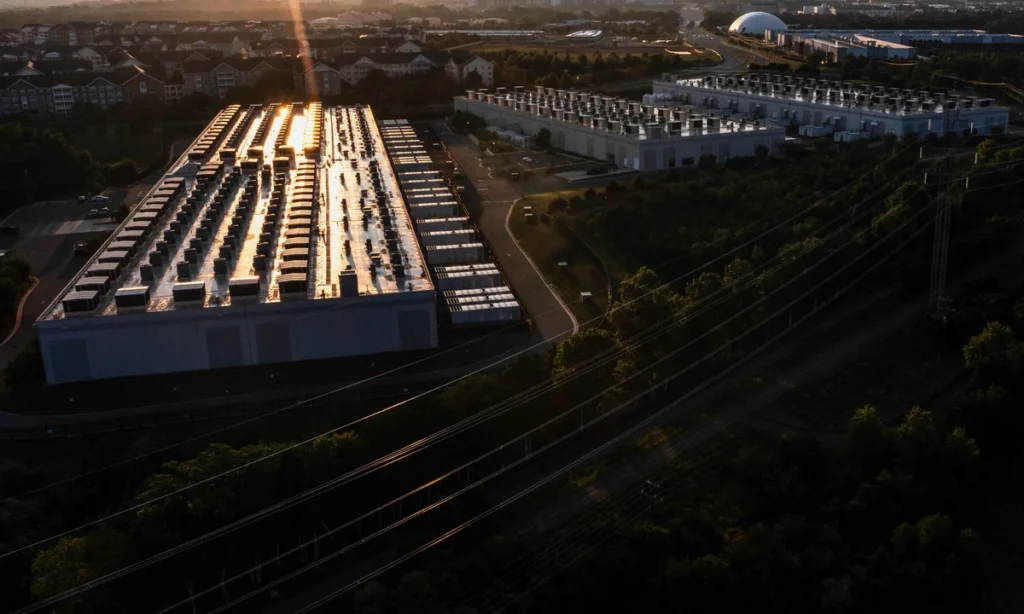
The digital world feels weightless, but the infrastructure behind it is anything but. From cloud storage and streaming to artificial intelligence, every online action depends on massive physical facilities running around the clock. According to a detailed Washington Post interactive investigation, giant data centers energy pollution is becoming a growing environmental concern, as these facilities consume enormous amounts of electricity and strain local power grids.
As tech companies race to expand AI capabilities, the number and size of data centers are increasing rapidly. This article for Epsy Magazine explores how giant data centers are reshaping energy demand, why pollution is rising in some regions, and what this means for climate goals, communities, and the future of digital infrastructure.
Source:
The Washington Post
https://www.washingtonpost.com/climate-environment/interactive/2025/giant-data-centers-energy-pollution/
Why Giant Data Centers Are Expanding So Quickly
The growth of data centers is driven by multiple converging forces:
-
Artificial intelligence models requiring enormous computing power
-
Cloud services replacing local storage and software
-
Streaming platforms delivering high-resolution content globally
-
Businesses relying on real-time data processing
AI workloads, in particular, require constant, energy-intensive computing, pushing companies to build larger facilities with higher power density than ever before.
Understanding Giant Data Centers Energy Pollution
Data centers themselves do not emit smoke, but their energy sources often do.
Key contributors to pollution include:
-
Heavy reliance on fossil-fuel-powered electricity grids
-
Backup diesel generators used during outages or peak demand
-
Increased demand leading utilities to extend the life of coal and gas plants
-
Construction-related emissions from large-scale infrastructure projects
In regions where renewable energy is limited, giant data centers energy pollution can significantly increase local emissions.
How Power Demand Is Overwhelming Local Grids
One of the most pressing issues highlighted by the Washington Post investigation is grid strain.
Communities near large data centers are experiencing:
-
Sudden spikes in electricity demand
-
Delays in grid upgrades
-
Higher energy costs for residents
-
Increased risk of power shortages
In some cases, utilities must build new power plants or transmission lines solely to serve data centers, locking regions into long-term energy commitments.
The Water and Cooling Problem
Energy is not the only resource under pressure.
Many giant data centers require vast amounts of water for cooling, leading to:
-
Stress on local water supplies
-
Competition with residential and agricultural use
-
Greater vulnerability during droughts
As facilities grow larger, cooling systems become more complex and resource-intensive, adding another environmental layer to the giant data centers energy pollution problem.
Tech Companies’ Climate Promises vs Reality
Major technology companies often pledge carbon neutrality or net-zero emissions. However, reality on the ground can differ.
Challenges include:
-
Renewable energy credits not matching real-time energy use
-
Data centers drawing power from fossil-fuel-heavy grids
-
Delays in renewable infrastructure development
-
Increased emissions during rapid expansion phases
While some companies invest heavily in solar and wind projects, critics argue that expansion is outpacing sustainability efforts.
Communities Caught in the Middle
Local residents near data center hubs are increasingly vocal.
Common concerns include:
-
Air pollution from backup generators
-
Noise and land-use changes
-
Limited local job creation compared to resource consumption
-
Lack of transparency in permitting processes
These tensions highlight the social dimension of giant data centers energy pollution, where global digital convenience collides with local environmental costs.
Why AI Is Changing the Scale of the Problem
Artificial intelligence marks a turning point.
AI systems:
-
Run continuously rather than intermittently
-
Require specialized, energy-hungry hardware
-
Scale exponentially as models grow larger
This means future data centers may consume as much power as small cities, intensifying climate and infrastructure challenges.
Potential Solutions on the Horizon
Despite the challenges, solutions are being explored.
Possible paths forward include:
-
Locating data centers near renewable energy sources
-
Investing in next-generation cooling technologies
-
Improving grid efficiency and energy storage
-
Enforcing stricter environmental impact assessments
-
Designing smaller, decentralized data facilities
Policy decisions made today will shape whether digital growth aligns with climate goals.
What This Means for the Future of the Internet
The investigation raises an uncomfortable truth: the internet’s growth is no longer invisible.
Key implications include:
-
Digital services have real environmental footprints
-
AI innovation must be balanced with sustainability
-
Energy policy and tech policy are becoming inseparable
-
Consumers may face higher costs as infrastructure expands
Readers interested in climate, technology, and policy intersections can explore related coverage on Epsy Magazine, including energy transitions, AI ethics, and environmental accountability.
Conclusion
The issue of giant data centers energy pollution underscores a critical moment for the digital age. As AI and cloud computing reshape economies, they also reshape landscapes, energy systems, and climate outcomes.
Whether data centers become a sustainable backbone of innovation or a growing environmental liability depends on decisions being made now — by companies, governments, and consumers alike.
At Epsy Magazine, we continue to follow stories that reveal the hidden costs behind modern convenience and the choices shaping our shared future.