


Introduction
The future of urban transportation may take to the skies. A new air taxis pilot program Trump initiative, detailed in a Washington Post report, proposes federal backing for flying taxi services as part of broader efforts to reduce congestion and embrace next-generation transit solutions. This pilot program could mark one of the most significant transportation shifts in decades, blending technology, regulation, and public demand into an ambitious plan that challenges how Americans move within and between cities.
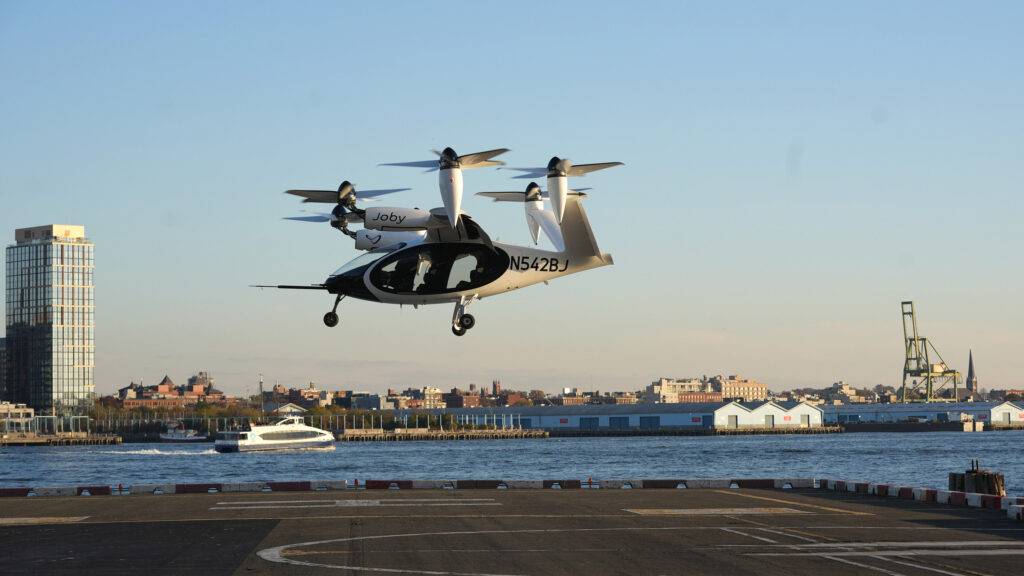
Air taxi concepts — electric vertical take-off and landing vehicles (eVTOLs) — have long captured the imagination of futurists. With federal engagement now on the table, these once-novel ideas are closer to reality than ever. This article for Epsy Magazine unpacks the goals of the air taxis pilot program, why the Trump administration is involved, and what travelers and cities can expect if flying taxis become commonplace.
Source:
The Washington Post
https://www.washingtonpost.com/transportation/2025/12/12/air-taxis-pilot-program-trump/
What Is the Air Taxis Pilot Program Under Trump
The air taxis pilot program Trump initiative aims to test flying taxi services in selected U.S. cities over the coming years. Key elements of the program include:
-
Federal funding for trial routes and infrastructure
-
Safety and certification frameworks for eVTOL aircraft
-
Coordination between the Federal Aviation Administration, local authorities, and private companies
-
Evaluation of noise, air traffic integration, and public reception
By involving government support early, the program is designed to accelerate research and development, while prioritising safety and public oversight.
Why Air Taxis Are Gaining Momentum Now
Air taxis are not merely a technological curiosity. Several forces are pushing them into the spotlight:
-
Urban congestion and increasing travel times
-
Advances in battery and lightweight materials
-
Growing interest from aircraft manufacturers and tech investors
-
Environmental pressures to reduce carbon emissions in short-haul transport
Cities like Los Angeles, Miami, and Dallas have already expressed interest in integrating air taxi services into broader transit networks, believing these vehicles can complement buses, trains, and ride-hailing services.
Trump’s Involvement and Policy Priorities
The current presidential administration has made technology and infrastructure key policy priorities. The air taxis pilot program Trump initiative aligns with this approach in several ways:
-
Promoting U.S. leadership in advanced transportation technology
-
Supporting innovation with federal resources
-
Addressing infrastructure bottlenecks in dense urban areas
-
Positioning American cities as testing grounds for future mobility
Administration officials suggest that early investment and pilot programs could attract private capital while ensuring public interests are protected through careful regulation.
How Air Taxis Would Work
Air taxi systems are built on scalable models with several distinguishing features:
-
Electric vertical take-off and landing (eVTOL) aircraft that require compact “vertiports”
-
Short urban hops, often between downtown cores and airport hubs
-
Quiet propulsion systems compared to traditional helicopters
-
On-demand routing similar to current ride-hailing services
Air taxi operators would typically partner with urban planning agencies to integrate service nodes at transit hubs, business districts, and airports. Companies such as Joby Aviation and Archer Aviation, both pioneers in eVTOL development, have expressed interest in pilot deployments.
Safety, Regulations, and Challenges
One of the most critical aspects of the air taxis pilot program Trump initiative is safety. Integrating flying vehicles into crowded airspace requires strong regulatory frameworks and rigorous testing.
Some challenges include:
-
Developing air traffic systems that accommodate urban eVTOL flights
-
Certifying vehicles for commercial operation
-
Noise management and public acceptance
-
Ensuring redundancy and fail-safe systems
The Federal Aviation Administration (FAA) has been conducting research and considering new certification categories specifically for eVTOL aircraft. Collaboration with international bodies like the International Civil Aviation Organization (ICAO) could help harmonise standards globally.
Public Response and City Planning
Public perception of air taxis is mixed. Enthusiasm often accompanies visions of reduced commute times and futuristic travel, but concerns remain:
-
Affordability for everyday users
-
Noise and privacy concerns
-
Safety in densely populated areas
-
Equity of access across communities
City planners are engaging with stakeholders to ensure that emerging technologies align with community needs and environmental standards. For instance, pilot programs may initially start in regions with supportive policy frameworks and fewer logistical constraints.
Environmental Considerations
Urban air mobility proponents emphasise that electric air taxis could reduce greenhouse gas emissions for short trips compared to cars and traditional helicopters. However, the overall environmental impact depends on:
-
Source of electricity used to charge aircraft
-
Lifecycle emissions from manufacturing
-
Urban planning that reduces overall travel demand
Studies such as the International Council on Clean Transportation’s research on electric aircraft provide useful context (https://theicct.org/publication/electric-aircraft-assessment/).
What This Means for the Future of Transportation
The air taxis pilot program Trump initiative is more than an experiment — it is a statement on the future direction of mobility. If successful, the pilot could:
-
Open new opportunities for urban transit services
-
Establish new industries and jobs
-
Accelerate infrastructure investment
-
Inspire global competitors to innovate concurrently
Consumers interested in emerging trends can explore coverage on Epsy Magazine related to transportation technology, urban planning, and future mobility systems.
Conclusion
The air taxis pilot program under the Trump administration is poised to test the boundaries of what urban transportation can be. While challenges remain in regulation, safety, and public acceptance, the initiative reflects a broader shift toward innovation-driven infrastructure transformation.
Whether air taxis become a familiar sight in city skies or remain niche solutions depends on how stakeholders balance optimism with pragmatism. For now, the pilot program is a meaningful step toward reimagining urban travel in the 21st century.
At Epsy Magazine, we continue to monitor developments that shape how we navigate our world — on land, in the air, and beyond.